
People living with illness
Adults managing a chronic condition, a recent diagnosis, or a body that no longer does what it used to. The medical part is handled elsewhere. This is about the rest of it.
Meet the team
Associate Marriage and Family Therapist and registered nurse, with years as a healthcare director. For people living with illness, for the people who look after them, and for couples facing it together. In Laguna Beach, or by video anywhere in California.
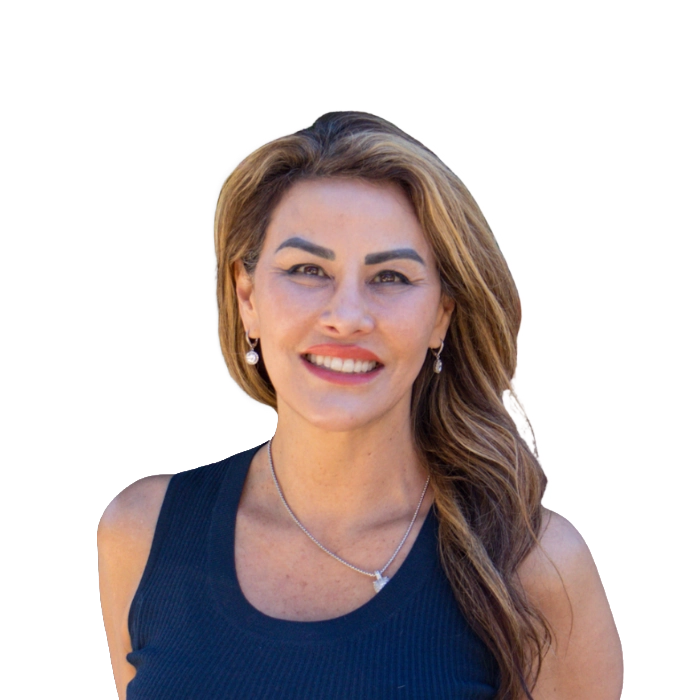
Natasha Gaffaney came to therapy the long way around. She is a registered nurse, and spent years as a healthcare director as well, which means she has seen the inside of the system from the bedside and from the office where the staffing decisions get made. She sees clients under Kay Wenger's supervision.
What does that change? Mostly, how much you have to explain. You do not have to describe what a twelve-hour shift does to a person, or translate a diagnosis, or justify why the appointment that was supposed to be reassuring left you more frightened than before. She already knows the terrain, so the hour gets spent on you rather than on background.
How she works
Illness happens to a person, not to a chart.
Natasha works humanistically and existentially, which in practice means she is less interested in sorting you into a category than in the questions underneath: what this has cost you, what it has changed about how you see yourself, and what you still want from a life that looks different than the one you planned.
She is steady. Not detached, and not falsely bright about hard things either. If you have had the experience of people getting visibly uncomfortable when you tell them the truth about your health, her room is a relief.
Her nursing is extra range rather than a separate job title. She pays attention to the body alongside the feelings: sleep, pain, energy, the way stress settles into the shoulders or the stomach long before anyone names it. That attention sits beside the emotional work, never in place of it.
She also works with couples, including partners facing an illness together, when one of you has become a patient, the other a caregiver, and neither role was in the plan. How do you stay two people who love each other when a diagnosis keeps trying to rename you?
Natasha GaffaneyAMFT #147477, APCC #16896Associate Marriage and Family TherapistSupervised by Kay Wenger, LMFT #38183, LPCC #1450
What she works with
A focused set rather than a broad one, shaped by her years in healthcare.
Who she sees
Adults managing a chronic condition, a recent diagnosis, or a body that no longer does what it used to. The medical part is handled elsewhere. This is about the rest of it.
Partners, adult children, and parents who have slid into a caregiving role without ever quite agreeing to it, and who are running on less than anyone realises.
Clinical and administrative both. People whose job is to stay composed through other people's emergencies, and who rarely get a room where they can stop doing that.
There is a particular kind of tiredness that belongs to people who look after others for a living. It is not fixed by a weekend. You can sleep for ten hours and still wake up with the sense that something is running in the background, using everything up. Nurses know this one. So do doctors, techs, aides, chaplains, and the administrators who carry the parts nobody sees.
Natasha still works in that world as well as this one. She is a registered nurse and was a healthcare director. She is not guessing at what a shift does to a person, or how strange it is to be endlessly competent at work and quietly falling apart at home. That gap between the composed professional and the person driving home afterwards is often where the work starts.
And if you are on the other side of it, living with an illness rather than treating one, the same experience applies in reverse. She knows how the system speaks, which means she can help you work out what you were actually told, and what you are allowed to feel about it.
Where to go next
Every therapist here works under Kay's supervision, and the free call exists partly to make sure you land with the right one.
Meet the teamUseful if your schedule is built around shifts. Sessions run anywhere in California, from wherever you actually are.
TelehealthThe free 15 to 20 minute call is where we sort that out. You can ask for her by name, or describe what's going on and let us suggest who fits best. No pressure either way.
Free and confidential. Be seen within 24 hours.
Navigating Life's Waves Together